May 22, 2026
Granite has long held a place in well-designed kitchens and workspaces, valued for both its natural beauty and its resilience under daily use. For homeowners who want a surface that can stand up to years of activity without sacrificing visual appeal, few materials offer the same balance of performance and character. Preserving that investment, however, requires more than occasional cleaning. It calls for a clear understanding of how this natural stone behaves and how to care for it over time.
While many people choose granite countertops for their durability, that durability is not entirely maintenance-free. The stone's longevity is closely tied to how well it is protected, cleaned, and used. With the right approach, homeowners can maintain a surface that continues to look refined and function reliably for decades.
Understanding the Structure and Strength of Granite
The Natural Composition of Granite
Natural granite forms deep beneath the Earth's surface through the slow crystallization of magma, resulting in a dense and interlocking mineral structure. This composition gives the material a well-known hardness and resistance to everyday wear. Quartz, feldspar, and mica combine to create a surface that is not only visually distinctive but also structurally robust.
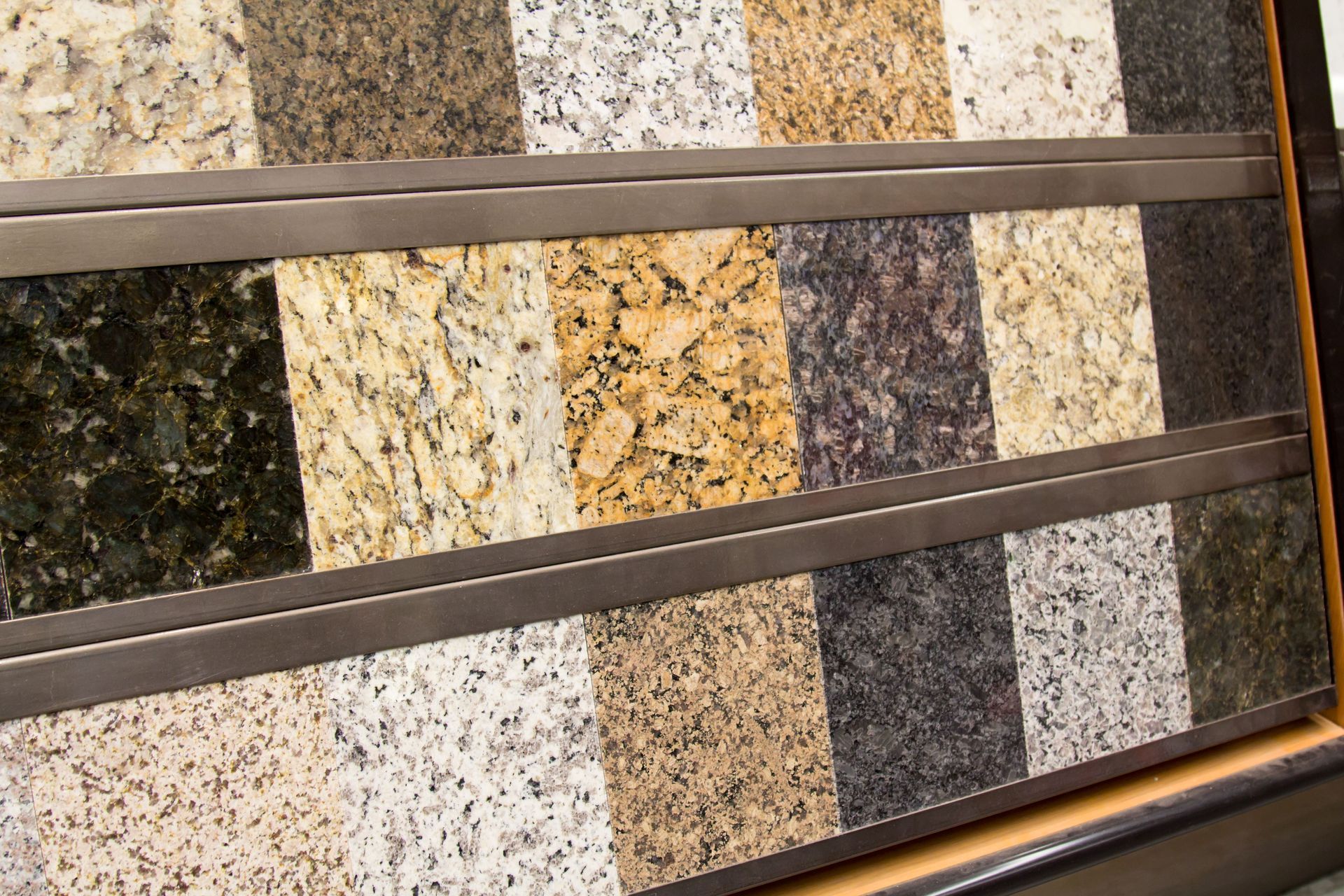
Because it is a natural stone, each slab features unique veining and color variations. These characteristics contribute to its appeal, but they also mean that preservation strategies must respect the individuality of each surface. No two installations behave in the same way, which makes consistent care practices essential.
Why Durability Does Not Mean Indestructibility
Granite countertops are often described as highly durable, but that does not mean they are immune to damage. While the stone resists scratches and heat better than many alternatives, it can still be affected by improper use or neglect. Heavy impacts may cause chips along edges, and prolonged exposure to acidic substances can dull the finish.
Understanding these limitations helps homeowners avoid common mistakes. Treating the surface as resilient rather than invulnerable encourages habits that extend its lifespan and preserve its appearance.
Expected Lifespan With Proper Care
When maintained correctly, granite countertops can remain functional and attractive for decades. In fact, according to Bob Vila, their lifespan can fall anywhere between 30 and 100 years, depending on usage and upkeep. This wide range underscores the importance of preservation practices in determining how long the material performs at its best.
For homeowners, this means that routine maintenance is not simply about aesthetics. It directly influences the long-term value and usability of the installation.
Practicing Daily Cleaning to Protect the Surface
Using the Right Cleaning Solutions
Routine cleaning is one of the most effective ways to preserve granite countertops. The key is to use products that remove residue without compromising the stone's sealant. Mild dish soap mixed with warm water is often sufficient for daily care, as it lifts grease and debris without introducing harsh chemicals.
Specialized stone cleaners can also be used for added protection, particularly in high-traffic kitchens. These products are formulated to maintain the integrity of the seal while enhancing the natural sheen of the stone.
Avoiding Harmful Chemicals and Tools
Certain cleaning agents can do more harm than good. Acidic substances such as vinegar, lemon juice, and ammonia-based products can gradually break down the sealant that protects the surface. Over time, this exposure increases the risk of staining and dullness.
Similarly, abrasive sponges or scouring pads should be avoided. While granite is hard, its polished finish can still be scratched or worn down by repeated friction. Soft cloths or non-abrasive sponges provide a safer alternative for maintaining a clean surface.
Establishing a Consistent Cleaning Routine
Consistency is critical when it comes to preserving granite countertops. Wiping down the surface after each use prevents the buildup of oils, food particles, and moisture that can compromise the seal over time. Even small habits, such as drying the surface after cleaning, can make a noticeable difference in long-term appearance.
A structured routine does not need to be time-consuming. Instead, it should focus on regular, simple actions that prevent issues before they develop into more significant problems.
Sealing and Long-Term Protection Strategies
Why Sealing Is Essential
Granite is naturally porous, which means it can absorb liquids if left unprotected. Sealing creates a barrier that prevents spills from penetrating the surface, reducing the likelihood of stains and bacterial growth. Without this protective layer, even a durable stone can become vulnerable to everyday kitchen hazards.
Sealing is not a one-time process. Over time, the protective layer wears down and must be reapplied to maintain its effectiveness. Recognizing when to reseal is a key component of long-term preservation.
How to Determine When Resealing Is Needed
One common method for assessing the condition of the seal is the water test. By placing a small amount of water on the surface and observing how quickly it absorbs, homeowners can gauge whether the seal remains intact. If the water beads up, the seal is still effective. If it soaks in, it is time to reseal.
In most cases, resealing is recommended every one to two years, though this can vary based on usage and the specific type of granite. High-traffic kitchens may require more frequent attention to maintain optimal protection.
Best Practices for Applying Sealant
Properly applying sealant ensures even coverage and maximum effectiveness. The surface should be thoroughly cleaned and dried before application to prevent trapping debris beneath the seal. Using a high-quality sealant designed specifically for natural stone helps achieve consistent results.
After application, allowing adequate curing time is essential. This step ensures that the sealant bonds correctly with the surface, providing long-lasting protection. Skipping or rushing this process can reduce the effectiveness of the seal and lead to premature wear.
Preventing Damage From Everyday Use
Managing Heat Exposure
Granite is known for its heat resistance, making it a practical choice for kitchens. However, extreme temperature changes can still pose a risk. Placing very hot cookware directly on the surface may lead to thermal shock, which can cause cracks over time.
Using trivets or heat pads provides an additional layer of protection. These simple tools help preserve the structural integrity of the stone while maintaining its appearance.
Protecting Against Scratches and Impact
Although granite countertops resist scratches, repeated contact with sharp objects can eventually leave marks. Cutting directly on the surface is not recommended, both for the stone and for the longevity of kitchen tools.
Cutting boards serve as an effective barrier, preventing unnecessary wear while maintaining a clean and functional workspace. Similarly, avoiding heavy impacts near edges and corners reduces the risk of chipping.
Addressing Spills Promptly
Spills are inevitable in any active kitchen, but how they are handled makes a significant difference. Liquids such as wine, oil, and acidic juices can stain or etch the surface if left unattended. Prompt cleanup minimizes this risk and helps maintain the stone's finish.
Blotting rather than wiping spills is often the best approach, as it prevents the liquid from spreading across a larger area. Following up with a gentle cleaning solution ensures that no residue remains.
Preserving granite countertops is a practical investment in both the functionality and appearance of a home. With consistent care, proper sealing, and mindful use, homeowners can maintain a surface that continues to perform reliably while retaining its natural beauty. Over time, these efforts contribute to a space that not only meets daily demands but also reflects a lasting standard of quality and craftsmanship. For more expert information on preserving your granite countertops, reach out to International Marble and Granite Enterprises, Inc!