August 3, 2026
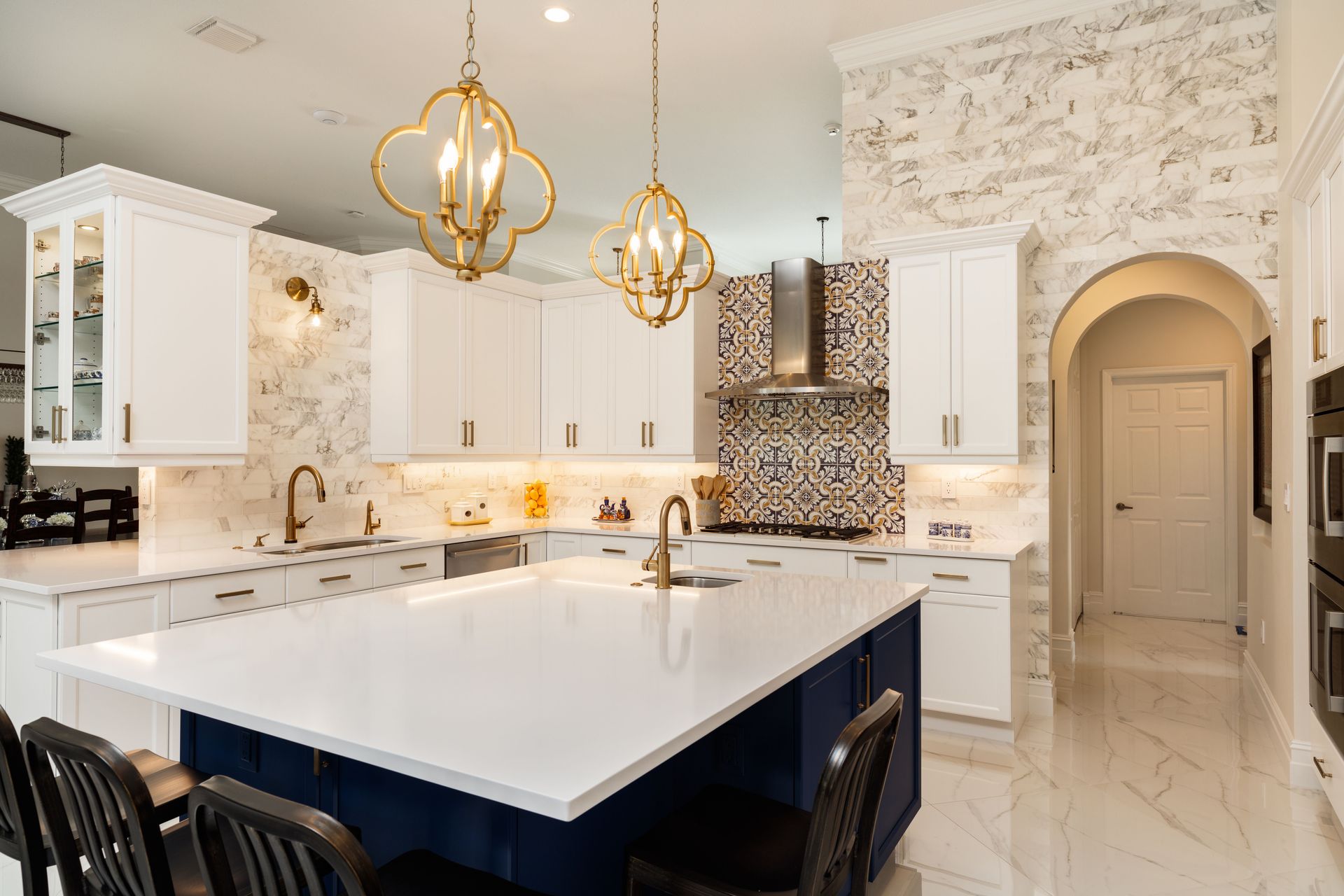
The kitchen is often considered the beating heart of a residential property. When prospective buyers tour a home, the kitchen frequently serves as the deciding factor in whether they make an offer or move on to the next listing. Outdated cabinetry, worn flooring, or damaged surface finishes can instantly diminish a property’s market appeal and lower its perceived monetary value. Conversely, strategic upgrades in the kitchen can deliver exceptional returns on investment, making targeted home improvements a top priority for homeowners preparing to sell.
Among the various renovation projects available, upgrading surface materials offers one of the most effective ways to transform the entire room's aesthetic without undertaking a full floor-plan overhaul. According to This Old House, carrying out a minor kitchen renovation like upgrading your countertops can deliver a strong ROI ranging from 70% to 80%. Choosing the right material ensures your home stands out in competitive real estate listings while appealing to a broad demographic of homebuyers. Evaluating the top-performing surface materials helps you make an informed decision that optimizes your budget and maximizes your property’s total resale potential.
Evaluating Quartz for Unmatched Durability and Buyer Demand
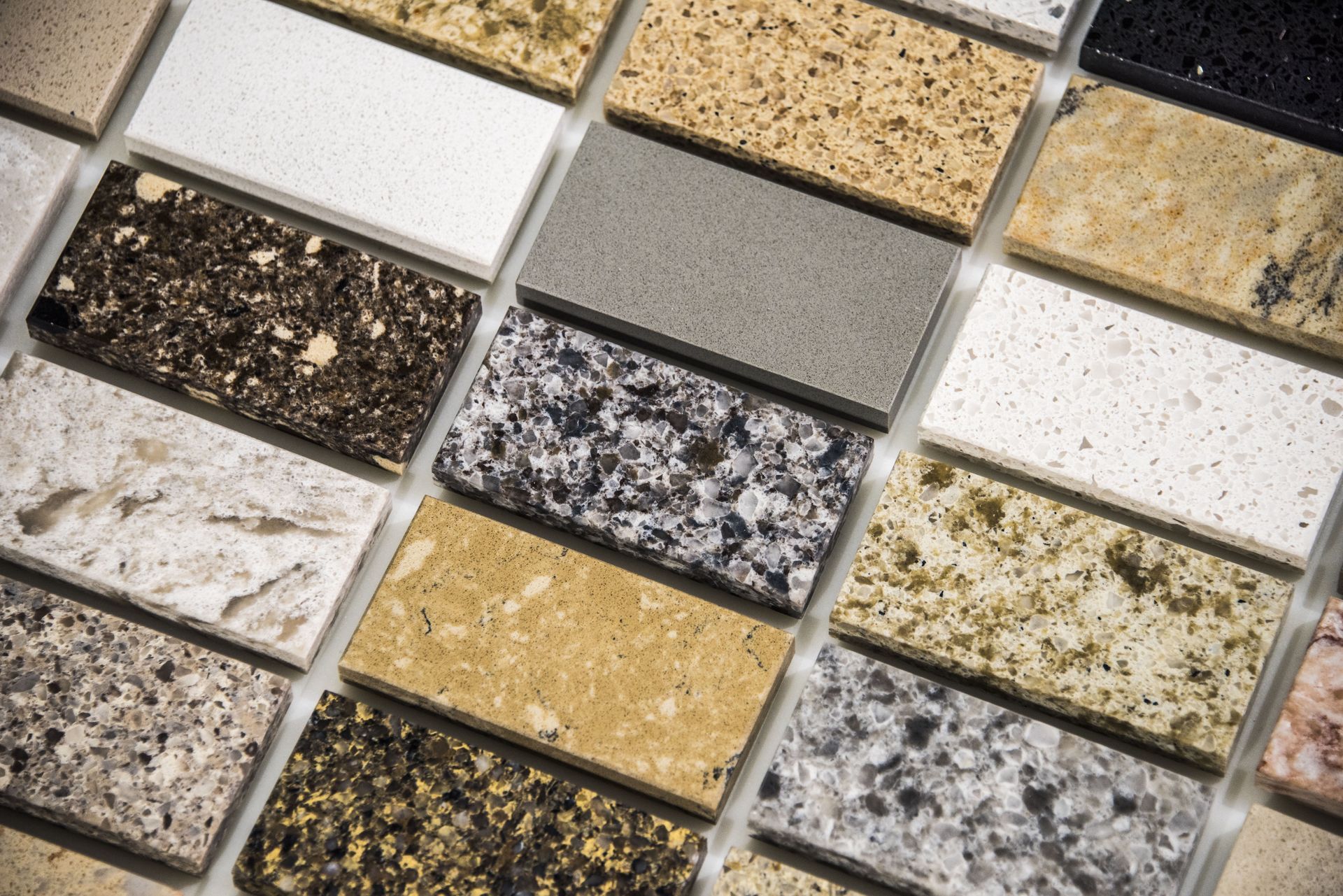
Engineered quartz has earned its position at the top of real estate preference lists across North America. Composed of roughly ninety percent crushed natural quartz minerals bound together with high-performance polymer resins and pigments, quartz creates a non-porous, highly resilient work surface. Homebuyers love quartz because it combines the luxurious, organic appearance of natural stone with virtually zero ongoing maintenance requirements.
Unlike natural stone materials, engineered quartz never requires periodic sealing, polishing, or special chemical treatments. It resists staining from common household liquids like coffee, red wine, and cooking oils while standing up exceptionally well to daily scratches and chips. From a design perspective, manufacturers can produce quartz in consistent, neutral colorways that mimic high-end Calacatta marble or sleek concrete finishes. When prospective buyers evaluate kitchen countertops, quartz consistently ranks as a highly desirable luxury feature because it offers long-lasting durability without requiring tedious upkeep. Investing in neutral-toned quartz surfaces gives your kitchen a clean, modern aesthetic that appeals directly to contemporary design tastes.
Choosing Granite for Classic Elegance and Timeless Appeal
Before engineered stone dominated the market, natural granite held the title as the undisputed king of luxury kitchen surfaces. Even with changing design trends, granite remains a powerful selling point that signals quality craftsmanship and premium home construction. Mined directly from natural stone quarries around the world, every slab of granite features unique veining, speckling, and rich color depth that cannot be replicated by synthetic manufacturing processes.
For buyers who appreciate natural movement, depth, and organic beauty in stone, granite continues to be a favorite option. It boasts exceptional heat resistance, allowing home cooks to place hot pots and pans near cooking surfaces without fear of scorching or cracking the stone. While granite is naturally porous and requires periodic sealing, this simple maintenance step keeps the surface protected against liquid penetration. Selecting subtle, lightly speckled white, gray, or soft beige granite kitchen countertops ensures your home maintains a timeless look that stays appealing across changing interior trends.
Considering Marble for Luxury Appeal and Premium Markets
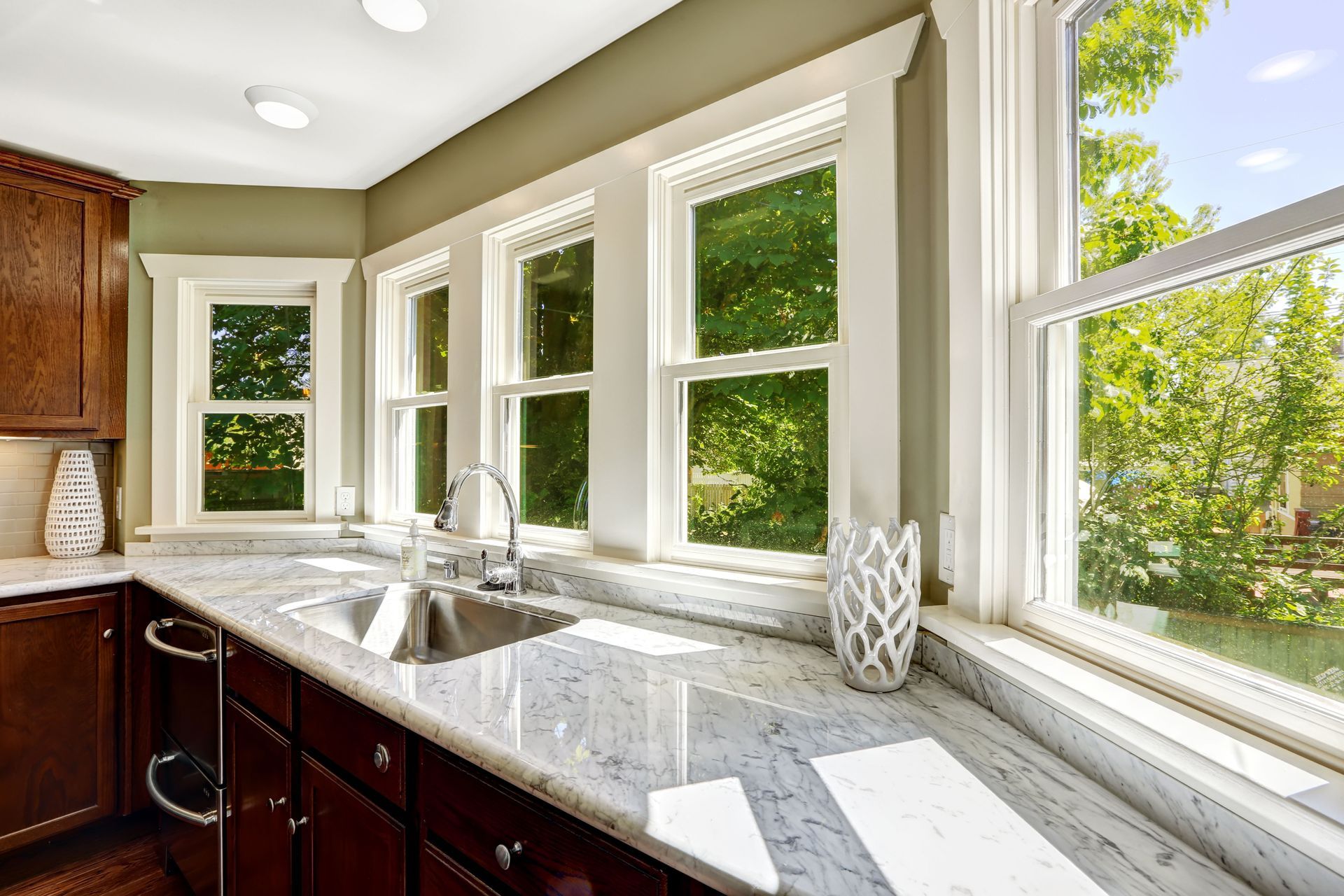
For high-end residential listings in competitive luxury markets, nothing conveys opulence quite like genuine marble. Renowned for its silky texture, cool surface temperature, and signature grey veining against bright white backgrounds, marble has symbolized architectural luxury for centuries. It remains particularly attractive to passionate home bakers because its cool, naturally low surface temperature provides the ideal environment for rolling out delicate pastry dough and working with chocolate.
However, marble comes with distinct practical considerations that homeowners must evaluate carefully before installation. As a softer, calcium-carbonate-based natural stone, marble is inherently porous and susceptible to etching when exposed to acidic foods like lemons, tomatoes, or vinegar. It can also scratch more easily than granite or quartz. While some luxury buyers embrace the natural patina that marble develops over decades of use, others may worry about maintaining pristine white surfaces. If your goal is to market a high-end luxury estate where buyers expect top-tier finishes, installing marble kitchen countertops can elevate the room's perceived value and justify a higher listing price.
Exploring Solid Surface for Budget-Friendly Versatility
Homeowners working with modest renovation budgets or preparing a starter home for the market often need a cost-effective alternative to heavy natural stone. Solid surface materials engineered from acrylic and polyester resins combined with mineral fillers fill this niche exceptionally well. These manufactured slabs offer a continuous, non-porous finish with completely seamless joints, preventing dirt, moisture, and bacteria from accumulating in visible seams.
Solid surface options can be molded to incorporate integrated sinks and seamless backsplashes, creating a cohesive, streamlined look across the entire workspace. While solid surface materials are less heat-resistant than granite and can scratch under heavy knife blade pressure, minor surface damage can easily be buffed out using mild abrasive pads. Choosing clean, light-colored solid surface kitchen countertops allows budget-conscious sellers to achieve a refreshed, modern aesthetic without incurring the high material and installation expenses associated with premium natural stone.
Assessing Butcher Block for Warmth and Character
Rustic, farmhouse, and Scandinavian interior design styles have driven a renewed appreciation for natural wood surfaces in modern home design. Butcher block surfaces bring rich texture, natural warmth, and organic character into a room that might otherwise feel cold or overly sterile due to stainless steel appliances and hard tile flooring. Constructed from hardwood strips such as maple, oak, walnut, or cherry glued together into durable solid slabs, wood surfaces create an inviting environment for family gatherings and food preparation.
Wood surfaces appeal to buyers looking for a cozy, lived-in aesthetic, but they require consistent maintenance to remain in prime condition. Homeowners must regularly oil wood surfaces with food-safe mineral oil or natural waxes to prevent the timber from drying out, warping, or cracking. While wood can scratch and mark easily, many homeowners consider slight wear part of its rustic charm, and damaged sections can be sanded down and refinished multiple times. Using butcher block strategically, such as installing it on a central kitchen island while using quartz on surrounding perimeter walls, creates an attractive visual contrast that highlights premium kitchen countertops while keeping maintenance manageable.
Selecting Neutral Palettes to Maximize Buyer Appeal
Regardless of the specific material you select for your home improvement project, color selection plays a vital role in determining overall return on investment. Personal taste varies widely among homebuyers, and bold, highly personalized color choices such as bright blue quartz, dramatic green granite, or heavily patterned dark slabs can alienate prospective buyers who struggle to visualize their own decor in the space.
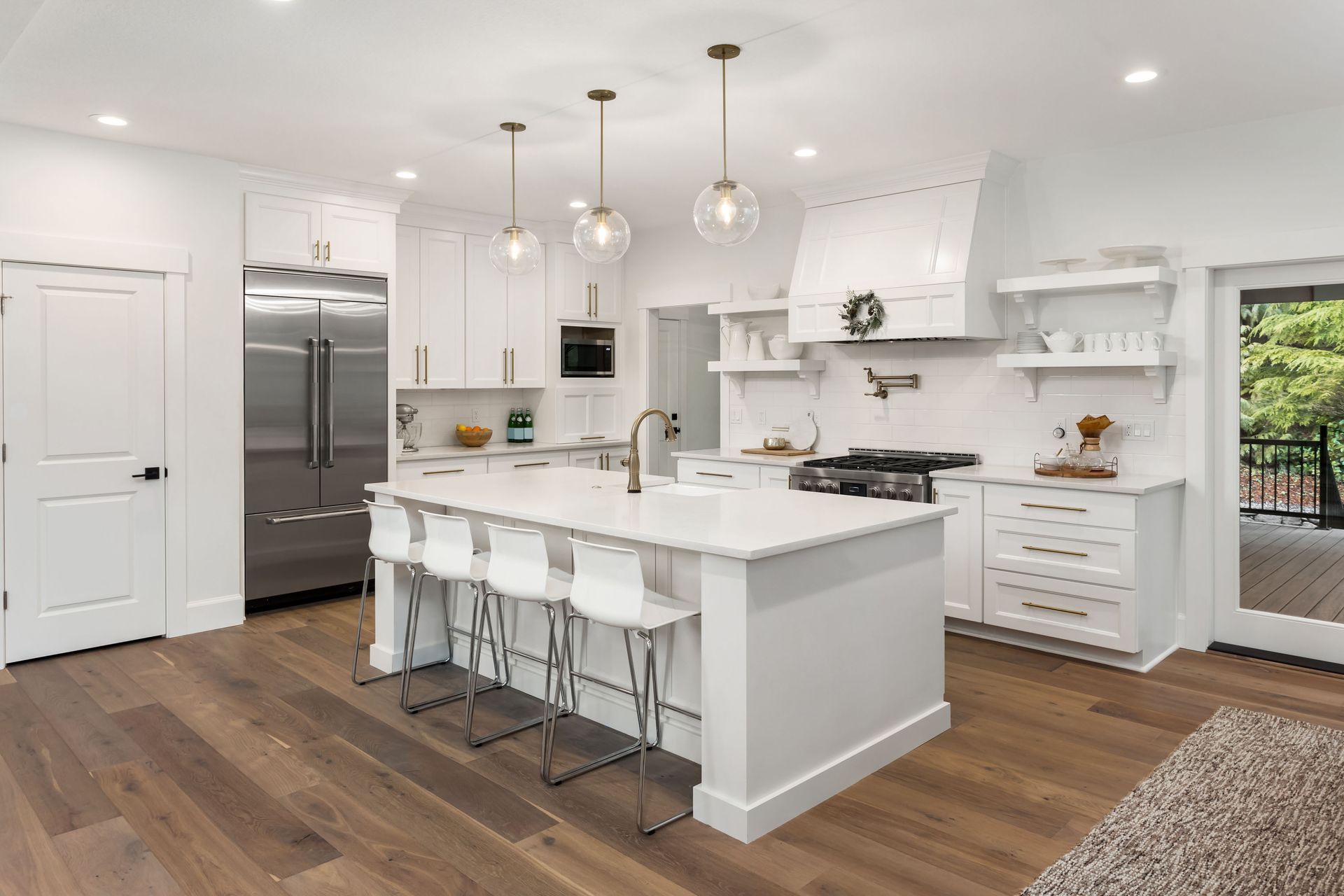
To maximize resale value, stick to clean, universally appealing neutral palettes. Soft whites, warm creams, subtle grays, and gentle beige tones reflect ambient light, making smaller kitchens feel significantly larger, brighter, and more inviting during open house walkthroughs. Neutral surfaces also pair effortlessly with a wide variety of cabinet finishes, whether your kitchen features classic white shaker cabinets, natural wood stains, or modern dark painted millwork. By choosing versatile neutral kitchen countertops, you eliminate visual friction for potential buyers and present a polished canvas that feels move-in ready.
Prioritizing Professional Installation for a Flawless Execution
Even the most expensive, high-end surface material will fail to add value if the installation quality is poor. Uneven seams, visible caulk lines, improper overhang support, or chipped edges instantly telegraph cheap workmanship to sharp-eyed home inspectors and prospective buyers. Natural and engineered stone slabs are exceptionally heavy and rigid, requiring precise template measuring, professional fabrication machinery, and specialized handling tools during transport and installation.
Hiring certified, experienced installers ensures that your stone slabs are leveled accurately, anchored securely to cabinet frames, and sealed seamlessly against surrounding walls and sinks. Professional fabricators also know how to match movement patterns across slab seams, ensuring a continuous, fluid grain transition across long surface spans and kitchen islands. Investing in professional craftsmanship guarantees that your new
kitchen countertops deliver maximum visual impact, structural integrity, and measurable financial return when your property hits the real estate market. Ready to complete your home's transformation with window treatments that beautifully complement your new kitchen? Visit The Blind Place today to discover the perfect shades, blinds, or shutters for your space!