November 3, 2026
Choosing the right countertop can transform the appearance and functionality of a kitchen or bathroom. Homeowners often look for surfaces that combine visual appeal, durability, and practical everyday performance. Quartzite has become an attractive option because of its natural patterns, distinctive colors, and ability to complement a wide range of interior designs. Understanding what makes this material different can help homeowners decide whether it suits their renovation goals. From its geological origins to its maintenance requirements, quartzite offers several features worth considering when planning an upgrade.
1. Appreciate the Natural Beauty of Quartzite
Quartzite stands out for its distinctive appearance and naturally occurring patterns. Formed through geological processes that transform sandstone under heat and pressure, this stone develops unique veining, subtle color variations, and striking mineral details. These characteristics give each slab an individual appearance that can become a focal point in a kitchen, bathroom, or other interior space.
According to HomeAdvisor, quartzite is made from 100% natural stone. This natural origin appeals to homeowners who prefer materials shaped by geological processes rather than manufactured surfaces designed to imitate stone.
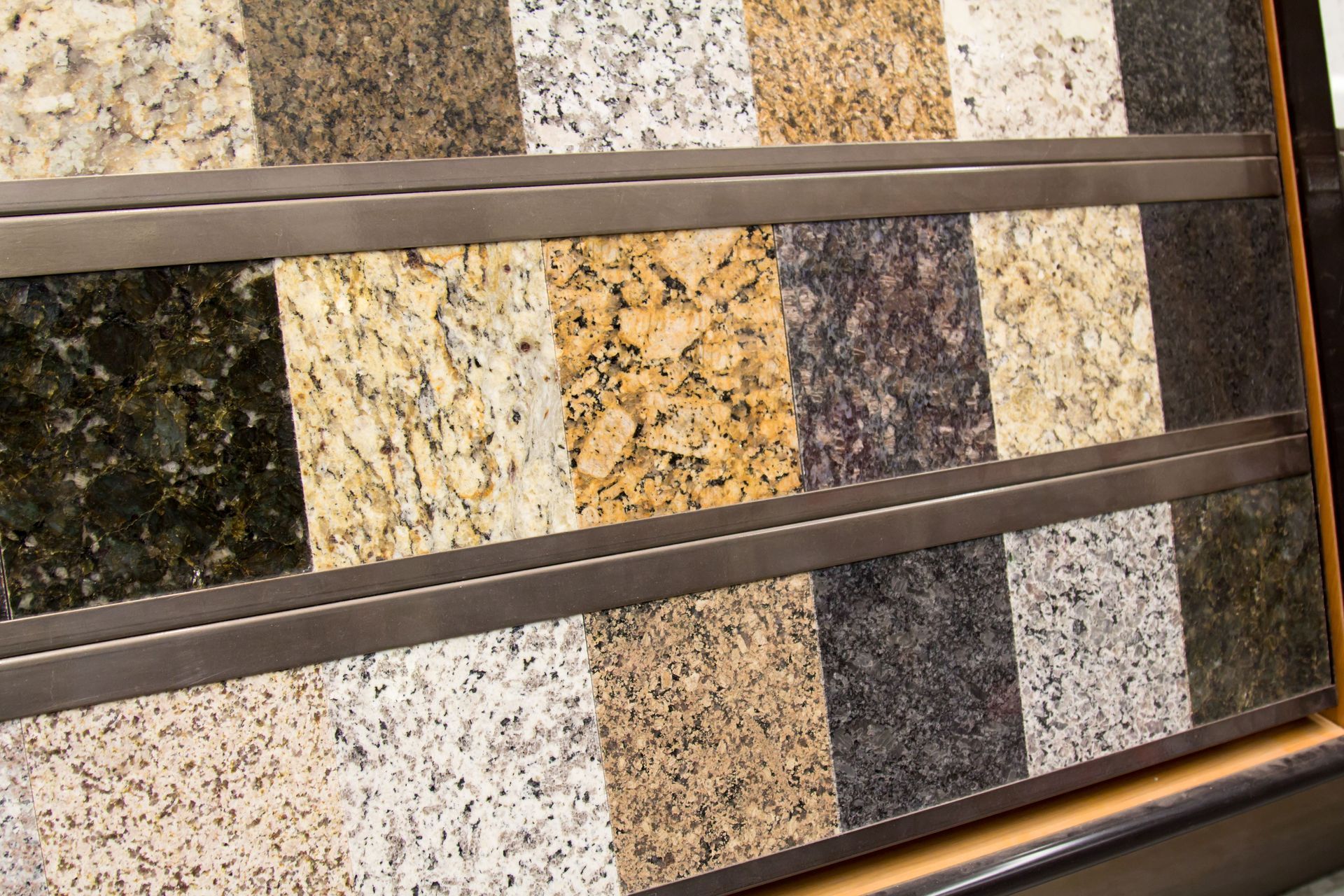
The appearance of quartzite varies depending on its mineral composition and the conditions under which it formed. Some slabs feature soft white and gray patterns, while others display warmer tones or dramatic contrasting veins. These variations allow homeowners to select a surface that complements cabinetry, flooring, wall colors, and decorative finishes.
Visiting a stone showroom can help homeowners compare actual slabs before making a decision. Photographs may not fully capture the depth, texture, or movement of the material. Working with a knowledgeable countertop company can also help narrow the selection based on the desired appearance and the overall design of the space.
2. Benefit From Strength and Durability
Durability is an important consideration when selecting a countertop for a busy household. Kitchen surfaces regularly encounter food preparation, cookware, spills, and everyday handling. Quartzite is valued for its hardness, which can make it a suitable choice for homeowners seeking a natural stone surface that withstands regular use.
Its resistance to scratching can be particularly appealing in kitchens where countertops serve as active workspaces. However, hardness does not make the material completely damage-proof. Heavy impacts, sharp tools, and improper handling can still cause chips or other damage, especially near edges and corners.
Homeowners should also understand that durability depends on the specific slab, fabrication quality, installation methods, and maintenance practices. Natural stone can contain variations that influence how individual sections perform. Proper support beneath the countertop and careful handling during installation help protect the finished surface.
Before choosing a slab, ask about its characteristics and any recommended precautions. A professional countertop company can explain how the material is expected to perform in the intended setting and identify considerations that may affect long-term satisfaction. Understanding these details helps homeowners make an informed investment rather than relying on appearance alone.
3. Explore Versatile Design Possibilities
Quartzite works with a variety of interior styles because its natural colors and patterns can complement both traditional and contemporary spaces. Light-colored slabs can create an open, airy appearance, while darker or more dramatically veined varieties can introduce contrast and visual interest.
The material can coordinate with painted cabinets, natural wood finishes, decorative backsplashes, and different flooring options. Homeowners may choose a slab that blends into the surrounding design or one that creates a bold focal point. The right selection depends on personal preferences, lighting conditions, and the desired atmosphere of the room.
Quartzite can also be used beyond standard kitchen counters. Depending on the material and project requirements, it may be incorporated into bathroom vanities, islands, bar tops, and other interior surfaces. Using a consistent stone throughout connected spaces can create a cohesive appearance, while selecting different finishes can help distinguish separate areas.
A countertop company can help homeowners evaluate slab patterns, edge profiles, and surface finishes before fabrication begins. These choices influence the final appearance and how the countertop relates to surrounding features. Reviewing samples alongside cabinet and flooring selections can help prevent design conflicts and create a more unified result.
4. Maintain a Beautiful and Functional Surface
Although quartzite is durable, proper maintenance is essential for preserving its appearance. Natural stone may be porous, meaning certain liquids can penetrate the surface if it is not adequately protected. The degree of porosity varies, so homeowners should ask about the specific characteristics of their selected slab.
Sealing may be recommended to help reduce the likelihood of staining. A sealer does not make stone completely impervious to liquids, and its effectiveness depends on the product used, the condition of the surface, and ongoing care. Follow the fabricator's recommendations regarding sealing and reapplication.
Daily cleaning is generally straightforward. Use a soft cloth or sponge with a cleaner suitable for natural stone, and wipe up spills promptly. Acidic substances, harsh chemicals, and abrasive cleaning products may damage certain stone finishes or affect protective treatments, so avoid using products unless their compatibility is confirmed.
Heat protection is also worth considering. Although quartzite can tolerate heat better than some countertop materials, sudden temperature changes may create problems, and the performance of sealers or nearby materials can vary. Using trivets and protective pads is a sensible precaution.
Ask your countertop company for maintenance instructions specific to the slab. Following those recommendations can help preserve the surface's natural appearance and reduce the risk of preventable damage.
5. Evaluate Cost and Long-Term Value
Quartzite can represent a significant investment, so homeowners should consider the full project cost before choosing a slab. Pricing may depend on the stone's rarity, pattern, color, availability, thickness, and fabrication requirements. More intricate layouts or unusual countertop shapes may also require additional labor.
The material itself is only part of the overall expense. Measurements, transportation, edge fabrication, sink cutouts, installation, and any necessary preparation can affect the final price. Homeowners should request a detailed estimate that explains which services and materials are included.
Comparing estimates can help clarify differences in pricing and service. However, choosing the lowest quote without reviewing the scope of work may lead to unexpected costs or misunderstandings. Ask about installation procedures, warranties where available, and the handling of potential issues discovered during fabrication.
Long-term value also involves considering how the countertop will serve the household. A surface that fits the home's design, supports everyday activities, and receives appropriate care may remain appealing for many years. Homeowners should weigh the initial investment against their priorities for appearance, functionality, and maintenance.
A qualified countertop company can explain the available options and help determine whether quartzite fits the project's budget. Clear communication before fabrication begins helps establish expectations and supports a smoother installation process.
Homeowners should also consider how quartzite coordinates with future design updates. Choosing a versatile color and pattern can help the countertop remain visually appealing as cabinetry, fixtures, and surrounding decor change over time.
Ultimately, quartzite offers a distinctive combination of natural beauty, hardness, design flexibility, and practical functionality. Its suitability depends on the selected slab, the intended application, and the care the surface receives. By comparing materials, reviewing maintenance needs, and understanding installation costs, homeowners can choose a countertop that complements their space and meets their everyday requirements. Contact International Marble and Granite Enterprises, Inc to explore quartzite options, compare natural stone selections, and take the next step toward creating a beautiful, functional space.